The Market in CoinRepublik: The Heart of Your City
3
35027467
Jul 20, 2026 · EN
93
21
11
Earned
2,232.78 ARS · the local value of 0.0001 gold from the author's country treasury for every read and every like
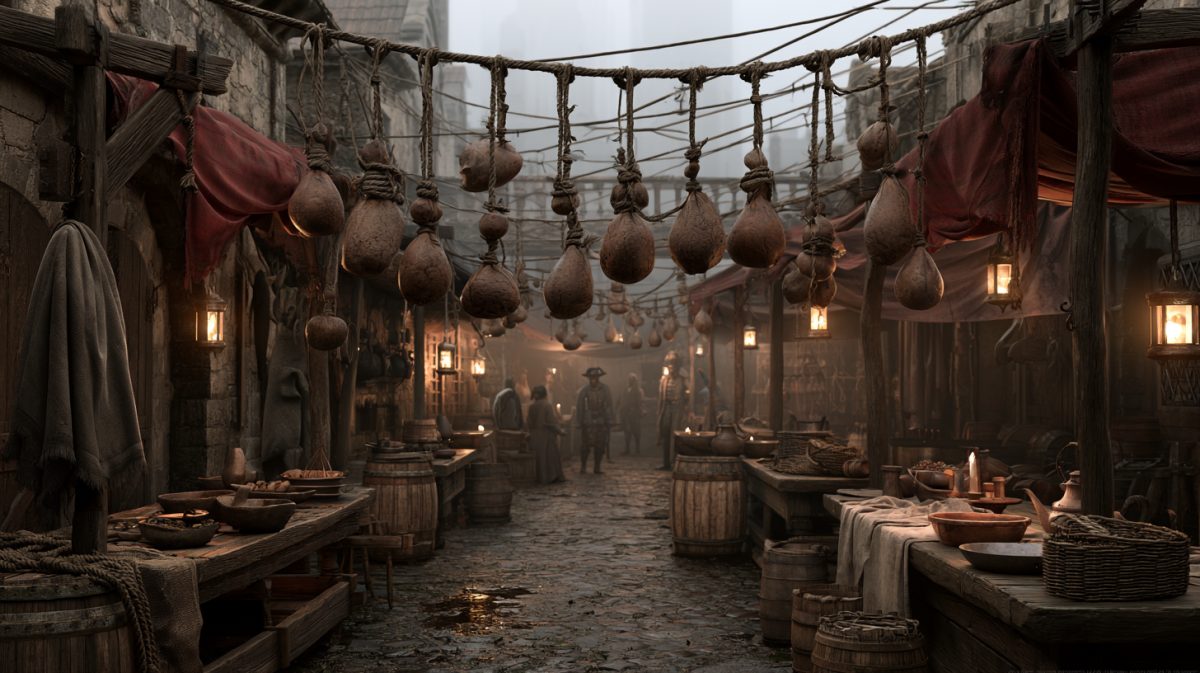
In CoinRepublik, many beginner players make the mistake of underestimating the value of the Market, believing it to be a secondary building that can be constructed later. However, its role is far more important than it seems: the Market’s area of influence determines which buildings can operate and expand correctly. If you don’t plan its location from the start, sooner or later you’ll have to demolish constructions and spend additional resources to reorganize your city.
The Importance of the Area of Influence
The Market is not only an economic reference point, but it also defines your city’s connectivity. Its area of influence is limited at level 1, but expands as you upgrade it. This means that if you place buildings outside its reach, they will remain inactive or unable to develop. That’s why the initial placement of the Market is critical: poor positioning may force you to build another one earlier than necessary, making your progress more expensive and slowing down your expansion.
Strategic Planning from the Start
The key is to think long-term. Leaving empty spaces near your productive zones is not a waste, but rather an investment in future flexibility. These spaces will allow you to add new Markets or support buildings without having to destroy parts of your city. Remember that in CoinRepublik, every demolition implies a loss of time, energy, and materials—resources you could have invested in growth.
Complement with Other Support Buildings
As you advance in the game, you’ll need other support buildings such as the Police Station or future structures you don’t yet know in the early stages. If your map is saturated from the beginning, incorporating these constructions will be costly and frustrating. That’s why the Market should be considered the central axis of your urban planning, around which your productive and service zones will be organized.
Practical Tips for New Players
a. Place the Market at the center of your productive zone. This way you maximize its area of influence from the start.
b. Think about future expansions. Don’t fill every empty space; leave room for new support buildings.
c. Upgrade the Market regularly. Each level increases its coverage and allows you to encompass more sectors of your city.
d. Avoid improvisation. Building without planning may force you to spend gold and energy on unnecessary demolitions.
e. Coordinate with other services. The Market works best when accompanied by buildings like the Police Station, which also require early planning.
In conclusion, the Market is much more than a support building: it is the axis of your urban and economic planning. Building with vision and leaving space to grow will allow you to save gold, energy, and materials, ensuring sustainable and efficient development. In CoinRepublik, acting intelligently will always be more profitable than acting quickly.
Likewise, the Market is the true heart of your city. If you place it strategically and upgrade it consistently, your progress will be much smoother and you’ll avoid the common mistakes that so many beginner players make. Remember: every decision you make today will determine the strength of your city tomorrow.