From Knife to Warehouse Nightmare: My Costly Mistake
B
bhbitco
Jul 19, 2026 · EN
106
29
5
Gold earned
0.0135 gold · 0.0001 from the game fund for every read and every like
When I studied the marketplace and watched knife prices climb higher with each passing day, I was convinced I had uncovered an extraordinary opportunity.
*"I'll manufacture knives for a while,"* I thought confidently. *"Every town needs them. Demand is soaring, supply can't keep up, and the profits should be effortless."*
At the time, it seemed like impeccable logic.
What never crossed my mind was that thousands of other players were arriving at precisely the same conclusion.
For a brief period, my strategy appeared flawless.
Every production cycle delivered another shipment of finely crafted knives into my warehouses. The numbers kept growing, and so did my confidence. Buyers were paying generous prices, and every glance at the market reinforced my belief that the upward trend would continue.
Why rush to sell today when tomorrow promised even greater rewards?
That single question became the foundation of my biggest economic mistake.
Reality, as markets often remind us, has little regard for optimism.
As word of the lucrative knife market spread, workshops across the world shifted their production toward the very same product. Every hour, thousands upon thousands of new knives poured into the marketplace. What had once been a scarce commodity gradually transformed into an abundant one.
Supply quietly overtook demand.
At first, the decline in price was almost imperceptible.
*"It's only a temporary correction,"* I reassured myself. *"The market will recover."*
It never did.
Instead, every new listing undercut the previous one. Sellers became increasingly desperate to secure a sale before prices slipped even further. My own listings, once competitive, drifted farther and farther away from the cheapest offers.
Rather than adapting, I remained stubborn.
I waited.
The market kept falling.
Meanwhile, my warehouses kept filling.
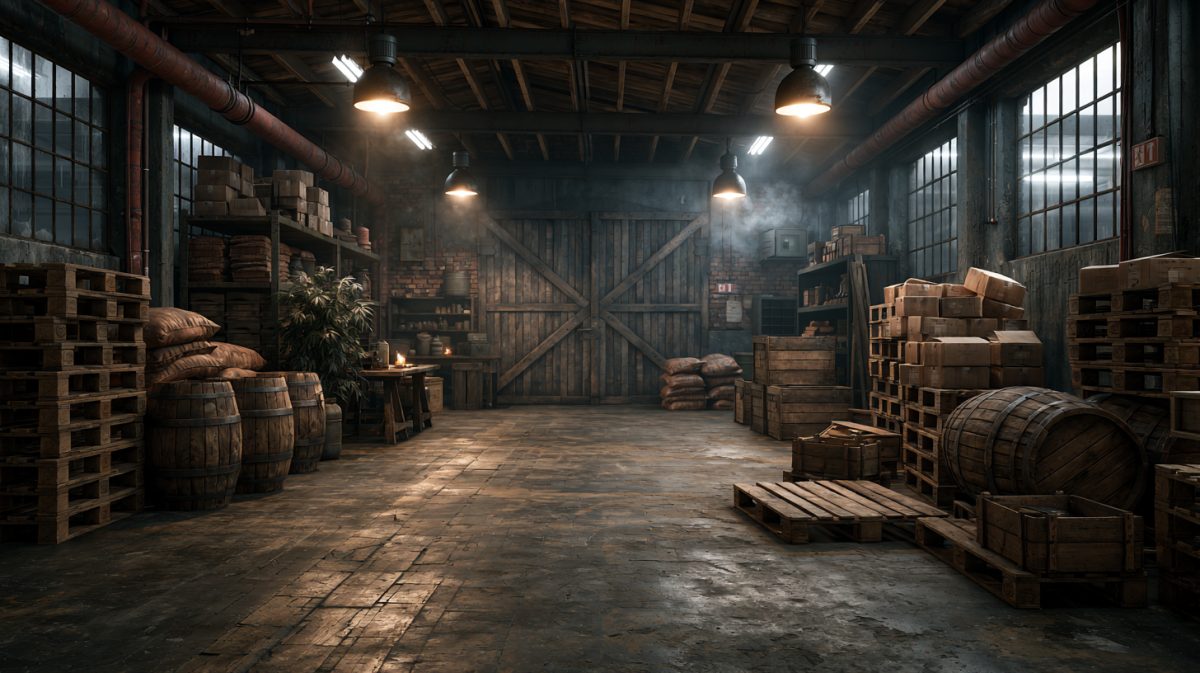
Soon they were overflowing with thousands of knives—inventory that had steadily depreciated in value while occupying every available storage slot. What had once looked like a symbol of prosperity had quietly become a monument to poor judgment.
The irony was impossible to ignore.
I wasn't running out of products.
I was running out of space.
Those warehouses could no longer store valuable raw materials, discounted resources, or goods my city genuinely required. My production lines slowed, expansion stalled, and opportunities passed me by simply because my capital was trapped inside mountains of unsold inventory.
That experience taught me one of the most profound lessons in economic management:
**Cash flow is often far more valuable than theoretical profit.**
An item sitting in storage may appear valuable on paper, but unrealized value cannot finance expansion, repair buildings, purchase discounted materials, or respond to changing market conditions. Wealth that cannot circulate is little more than an illusion.
The marketplace is remarkably indifferent to personal expectations.
It neither knows nor cares how much time, effort, or resources went into producing an item. Prices are determined by the collective decisions of every participant, not by the hopes of any individual seller.
Whenever a product becomes exceptionally profitable, countless players notice the opportunity almost simultaneously. Production accelerates, inventories swell, competition intensifies, and profit margins inevitably contract.
The cycle repeats itself again and again.
Success, therefore, isn't merely about identifying profitable products.
It's about recognizing when a profitable opportunity has already become overcrowded.
The most difficult lesson for me to accept was that selling below my original target price wasn't admitting defeat.
It was preserving momentum.
There is a world of difference between holding inventory in pursuit of a perfect price and converting that inventory into liquid capital that keeps an economy thriving. A modest profit earned today is often infinitely more valuable than an imagined fortune that never materializes.
Since my disastrous knife venture, I've abandoned the habit of treating warehouses as museums for unsold goods. Products are created to circulate, not to gather dust behind warehouse doors.
Today, I focus less on squeezing every last coin from a single sale and far more on maintaining healthy liquidity. My warehouses remain efficient, production never stands still, and when genuine opportunities emerge, I possess the one resource that matters most