The Residential Boost: How Housing Becomes the Engine of Your CoinRepublik City
D

Dutton
Jul 20, 2026 · EN
85
24
9
Gold earned
0.0109 gold · 0.0001 from the game fund for every read and every like
Everyone rushes to build factories first. The players who actually win build homes instead.
---
Walk into almost any new player's town in CoinRepublik and you'll see the same pattern: a cluster of factories, a couple of farms, maybe a gold mine already under construction — and, tucked somewhere in the corner, the same handful of starting houses, untouched since day one. It feels logical. Production buildings look like the fastest path to gold. Houses look like something you deal with "later."
That instinct is exactly what quietly slows down most accounts. Most production buildings hit a hard ceiling at level 5. Houses don't — they climb all the way to level 10, and once you understand what that extra headroom actually buys you, it becomes obvious why the players sitting at the top of the leaderboard treat their houses as seriously as their factories.
The Simple Math Behind Every Room in Your City
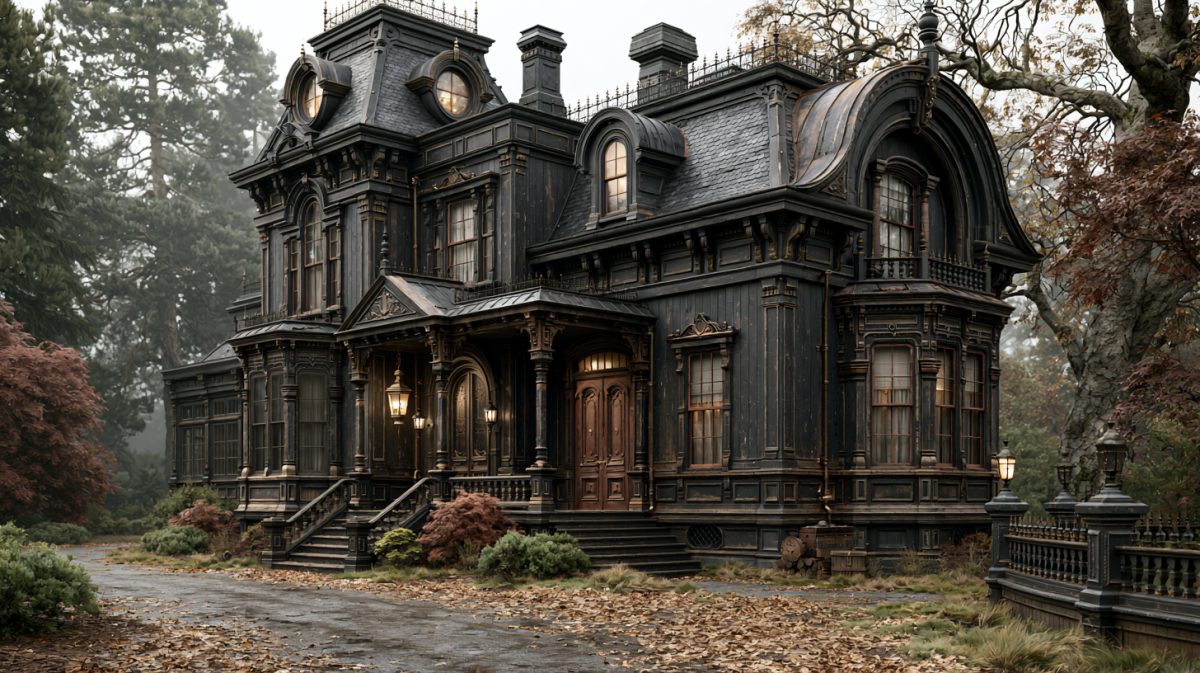
The rule behind housing is refreshingly clean: a house holds twice its level in residents. A level-1 house holds 2 people. A level-5 house holds 10. A level-10 house — the maximum any house can reach — holds a full 20. Your city's population ceiling is simply the sum of every room in every house you own.
That doubling is the whole argument for upgrading instead of sprawling. Taking a single house from level 1 to level 2 turns 2 rooms into 4 — you've doubled its capacity with one upgrade, on land you already own and already cleared. Building a brand-new house from scratch to get those same rooms means claiming a fresh plot, clearing it, and starting again from level 1. Both paths add rooms. Only one of them reuses everything you've already paid for.
Land, Clearing, and Why "Up" Beats "Out"
It's tempting to solve a housing shortage the easy way: claim a new plot and drop a house on it. The plot itself is cheap — 0.01 gold, paid from your premium currency balance rather than local money — so it feels like the low-cost option.
But a freshly claimed plot isn't ready to build on. It arrives covered in trees, and nothing can be placed on it until it's cleared: 10 energy, a small amount of raw materials, at least one free unskilled worker, and six hours of waiting. Only once the ground turns to grass can a foundation go down. None of that is expensive on its own, but it's an entire extra project stacked on top of the building you actually wanted — a project that upgrading an existing house skips entirely.
Roads: The One-Time Investment That Carries You to Level 10
Here's the detail that makes vertical growth even more attractive than it first appears. Every upgrade needs a road of the matching level connecting the plot back to the Town Hall — but roads themselves are capped at level 5. That cap applies even to houses, which keep climbing to level 10 long after their road has topped out.
In practice, that means you only ever have to push the road serving a house up to level 5 once. After that, every remaining upgrade — level 6, 7, 8, all the way to 10 — rides on that same level-5 road at no further infrastructure cost. Get the road right early, and the rest of a house's climb to the maximum is just capacity and materials, not more asphalt.
Wear and Renovation: Keeping a Residential Core Healthy
Buildings age, and houses are no exception. Every production round adds roughly 1% wear, and time itself chips away at a building passively — about 3% a day for buildings and 2% a day for roads — whether you're actively using them or not. There are two thresholds worth burning into memory: past 80% wear, a building can no longer be upgraded until repaired, and past 95%, it can't even start new activity.
Renovation is how you push that number back down, and it opens up once wear reaches 25%, all the way through to 100%. The cost scales with how neglected the building is, so a lightly worn house is cheap to refresh while a nearly ruined one is expensive. One quiet advantage worth knowing: the buildings and roads you're handed at the very start of the game are exempt from this decay entirely. That's one more reason your original houses are worth maxing out before you build anywhere else — they're the only structures in your city that never ask for maintenance.
Town Hall and the Population Loop
None of this matters without somewhere to put the people your rooms make space for, and that's where the Town Hall comes in. It's unique, permanent, and upgradable up to level 5 — and its level directly controls how many citizens you can recruit in a single batch, from just one at level 1 up to five at level 5, at one hour of waiting per worker recruited.
Recruiting is the one regular action that costs no energy at all, only raw materials and time, which makes it easy to run constantly in the background. But it has one hard rule: no free room, no new citizen. If every room in every house is full, recruitment simply refuses to proceed until you open more space — by building or, better, by upgrading. This is the loop houses ultimately serve: rooms set the ceiling, the Town Hall sets the pace, and a city that keeps both moving together never finds itself stuck staring at an empty workshop it can't staff.
Turning a Full Residential Core into a City-Wide Strategy
Once your starting houses are pushed toward level 10, the real decision begins: what do you do with a population that's both larger and better housed? Some players funnel that population straight into production, keeping factories fully staffed around the clock. Others lean into administration and services, using the extra citizens to support the buildings that keep their city running. Some train specialists at their school and put them to work in workshops that need very specific professions to function at all.
There's no single correct answer — and that's the point. A strong residential core doesn't lock you into one path forward. It's the foundation that makes every other path affordable. Get the houses right first, on the ground you already own, and the rest of the city has room to grow the way you actually want it to.
---
CoinRepublik is a free game where results are determined by strategy and decisions, not chance; according to the official terms, earnings are not guaranteed and depend on gameplay, market conditions, and time invested, and access is restricted to players aged 18 or older. Play responsibly.
This article was written in full by Dutton, based on official information from the Coin Republik game. Any partial or full reproduction of this text without the author's consent violates the Coin Republik Terms and Conditions (https://coinrepublik.com/legacy/legal/terms.php, art. 5)